
A 30-day legal internship may seem like a short period, especially when you are trying to build a career in the legal profession. However, a month is enough to understand how a law firm works, observe how legal professionals handle assignments, improve your legal research and drafting skills, and, most importantly, make your work count.
For many law students, an internship is about completing assigned tasks, maintaining attendance and receiving an internship certificate at the end. While these things are important, they should not be your only goals. A legal internship is also an opportunity to demonstrate your abilities, identify areas where you need to improve and build professional relationships that may prove useful in your career.
The real value of a 30-day legal internship lies not simply in completing the required number of days, but in the work you undertake and what you learn along the way.
So, how can you make the most of a 30-day legal internship at a law firm? Here is a week-by-week roadmap to help you make your internship more productive.
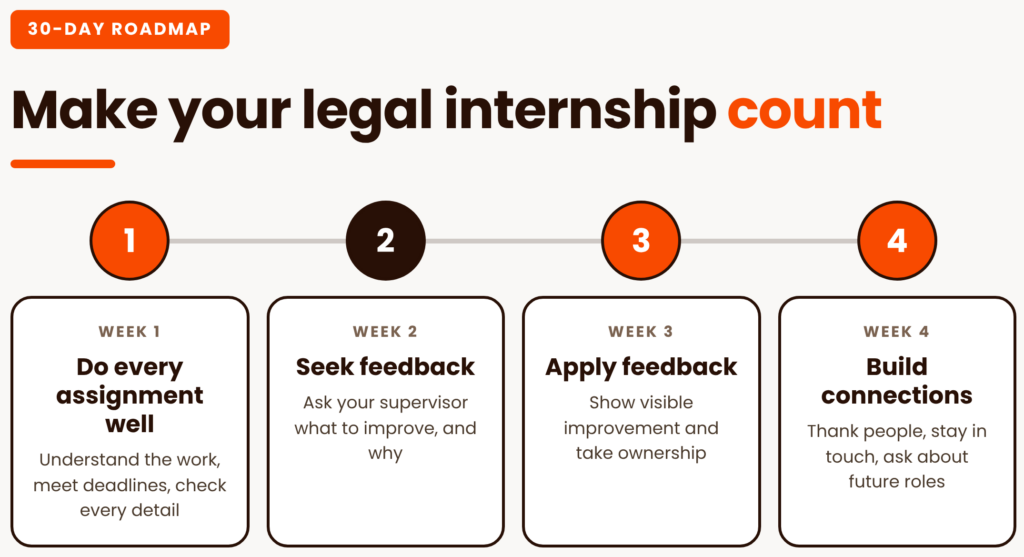
Image 1: 30-day legal internship roadmap
Week 1: Focus on Doing Every Assignment Well
Your first week should be about understanding your workplace, the people you are working with and the kind of assignments you are expected to handle.
You may be asked to conduct legal research, prepare case summaries, review agreements, draft documents or assist with ongoing matters. Whatever the assignment, take it seriously. Even a seemingly simple task can give your supervisor an idea of your approach to work, attention to detail and willingness to learn.
While working on your assignments, keep the following points in mind:
1. Understand the assignment before starting
Make sure you understand what you are being asked to do. If the instructions are unclear, note down your questions and seek clarification from the person who assigned the work. It is better to ask a relevant question than to spend hours working in the wrong direction.
2. Meet your deadlines
Complete assignments within the time given to you. If you anticipate a delay, inform your supervisor in advance rather than waiting until the deadline has passed.
3. Pay attention to details
Before submitting your work, check case names, citations, dates, statutory provisions and formatting. Small errors can affect the quality and reliability of legal research and drafting.
4. Observe how legal professionals work
Pay attention to how associates and senior lawyers interact with clients, approach legal research, prepare drafts and manage multiple deadlines. These observations can help you understand the practical side of working in a law firm.
5. Maintain a record of your work
Keep a personal record of the assignments you complete and the skills you use. This will help you reflect on your learning and update your CV later. However, do not retain confidential documents or client information without permission.
Useful resource for legal research: When researching case laws, make use of official judicial databases wherever possible. The Supreme Court Reports (SCR) portal allows users to search Supreme Court judgments and access their headnotes and case summaries. Familiarising yourself with such official resources can help you conduct more reliable legal research.
If you are interning with a litigation team, you may also be asked to read case files and prepare briefs. This can be challenging when you are unfamiliar with the structure of court documents.
Read our guide on 10 Simple Rules to Start Reading Case Files Efficiently to understand how to approach a case file systematically.
At this stage, do not focus too much on impressing everyone. Be sincere, responsible and willing to learn. A good first impression is built through consistent effort, not grand gestures.
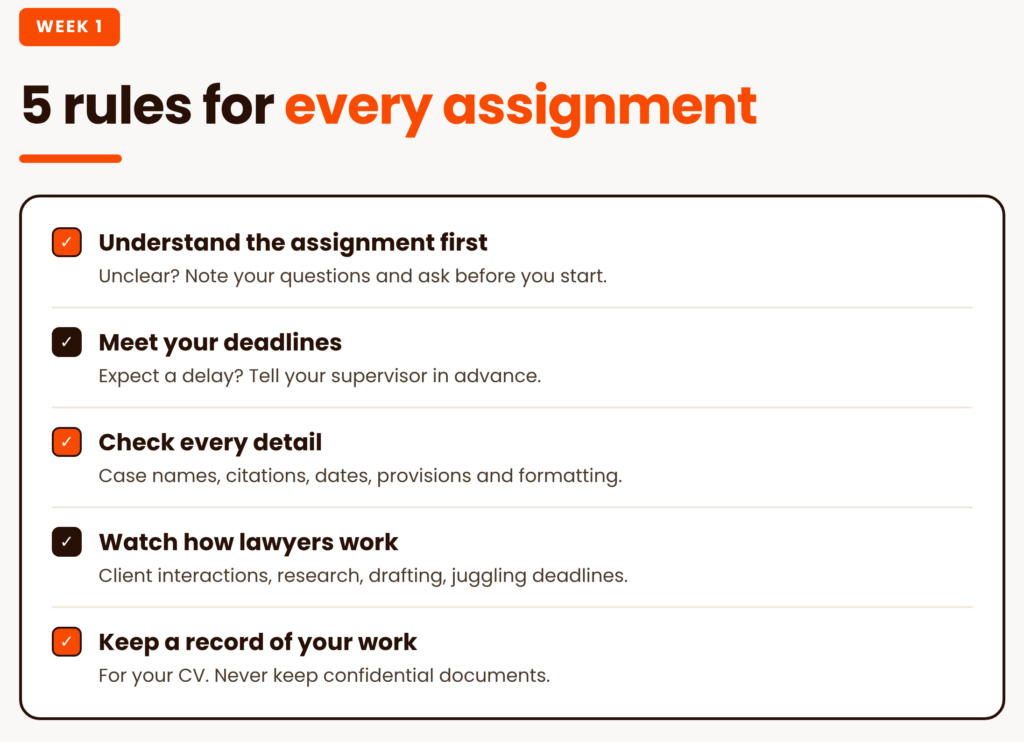
Image 2: 5 rules for every legal internship assignment
Week 2: Seek Feedback and Identify Areas for Improvement
By the second week, you will probably have completed a few assignments and become more familiar with the organisation’s working style. This is a good time to ask for feedback.
Many students hesitate to seek feedback because they are worried about criticism. However, constructive feedback is one of the most valuable things you can gain from a legal internship. It helps you understand what you are doing well and what needs improvement.
You can approach your reporting associate or supervisor and say:
“I have completed a few assignments over the past week and would appreciate your feedback on my work. Are there any areas where you think I can improve?”
When you receive feedback, listen carefully and try to understand the reason behind it.
For example:
- If your research notes are too lengthy, learn to present the relevant information more concisely.
- If your drafts lack structure, work on organising your arguments and improving the flow of your writing.
- If you have missed important legal provisions or judgments, review your research process and identify what you overlooked.
- If your citations contain errors, develop the habit of verifying every reference before submitting your work.
Do not simply correct the immediate mistake. Understand why it happened so that you do not repeat it in your next assignment.
If you are unsure about citation formats or what needs to be acknowledged in legal and academic writing, read The What and Why of References: A Practical and Friendly Guide for Students and Researchers.
You can also work on your research and writing skills beyond the assignments given during your internship. Lawctopus Law School’s Legal Research and Writing course covers research, writing and referencing, with assignments and feedback to help learners practise these skills.
Asking for feedback does not indicate a lack of confidence. It shows that you are serious about improving your work.
Week 3: Apply Feedback and Demonstrate Improvement
By the third week, you should have completed several assignments, received feedback and identified areas where you need to improve. Now is the time to put that learning into practice.
For example, if your supervisor has asked you to make your research more structured, ensure that your next research note clearly sets out the legal issue, relevant statutory provisions, applicable case laws and a concise conclusion.
Similarly, if you have been asked to improve your drafting, pay attention to sentence structure, defined terms, consistency and clarity.
During this week, focus on the following:
1. Apply the feedback you have received
Make a conscious effort to incorporate suggestions into your subsequent assignments. Your progress should be visible in the quality of your work.
2. Understand the practical context of your assignments
Do not limit yourself to understanding the legal provision or judgment. Try to understand why the research is required and how it relates to the matter being handled by the organisation.
3. Take ownership of your assignments
Once you understand the expectations, approach your work with greater independence. Keep track of deadlines, organise your research and communicate progress when necessary.
4. Volunteer for additional work
If you have completed your assigned tasks and have the capacity to take on more, let your supervisor know. You may ask if there is another research assignment, document or matter you can assist with.
5. Track your improvement
Compare your recent assignments with the work you submitted during the first week. Are your research notes more focused? Are your drafts better organised? Are you making fewer mistakes?
If your internship involves reviewing agreements, take the opportunity to understand how lawyers examine contractual terms and identify potential issues. Our guide on How to Read a Contract for the First Time can help you understand the clauses and details to look out for.
If you want to develop this skill further, explore Lawctopus Law School’s Contract Drafting and Negotiation course. The course focuses on reviewing, drafting and negotiating contracts, with practical exercises such as a contract lab, a negotiation exercise and a compulsory drafting and review assignment.
You should also make an effort to build professional relationships with the people you work with. Interact with your colleagues, ask relevant questions and show a genuine interest in understanding their work.
However, taking initiative does not mean constantly approaching people for additional assignments or interrupting them when they are occupied. Be mindful of their schedules and responsibilities.
By the end of the third week, your supervisor should be able to see a difference between the work you submitted during your first week and what you are producing now.
Week 4: Build Professional Connections and Explore Future Opportunities
The final week of your internship should not be limited to completing pending assignments and collecting your certificate. It is also a good time to express your interest in staying connected with the organisation, particularly if you have enjoyed working with the team.
If you would like to explore a longer internship, a placement opportunity or a possible full-time role, you can communicate your interest to your supervisor, the partner, the principal associate or the HR team.
For example, you could say:
“I have really enjoyed working with the team during this internship. I have learned a lot from the experience and would be interested in exploring any future opportunities with the organisation, whether through an extended internship or a suitable role.”
Before expressing interest in a job, understand the organisation’s eligibility criteria, hiring process and current vacancies.
Remember that not every internship leads to a job offer, and that is perfectly fine.
If there is no immediate vacancy, you can ask whether the organisation would consider you for suitable opportunities in the future. You can also request to stay in touch with your supervisor or reporting associate.
If you are considering litigation as a career, it is worth exploring what comes after internships and how young lawyers gradually take on greater responsibility. Read From Intern to Independent Practitioner: How to Build a Career in Litigation for a closer look at the transition from being an intern to building an independent litigation practice.
Most importantly, acknowledge the people who guided you during the internship. A brief and genuine thank-you message can help you leave on a positive note.
5 Habits to Maintain Throughout Your 30-Day Legal Internship
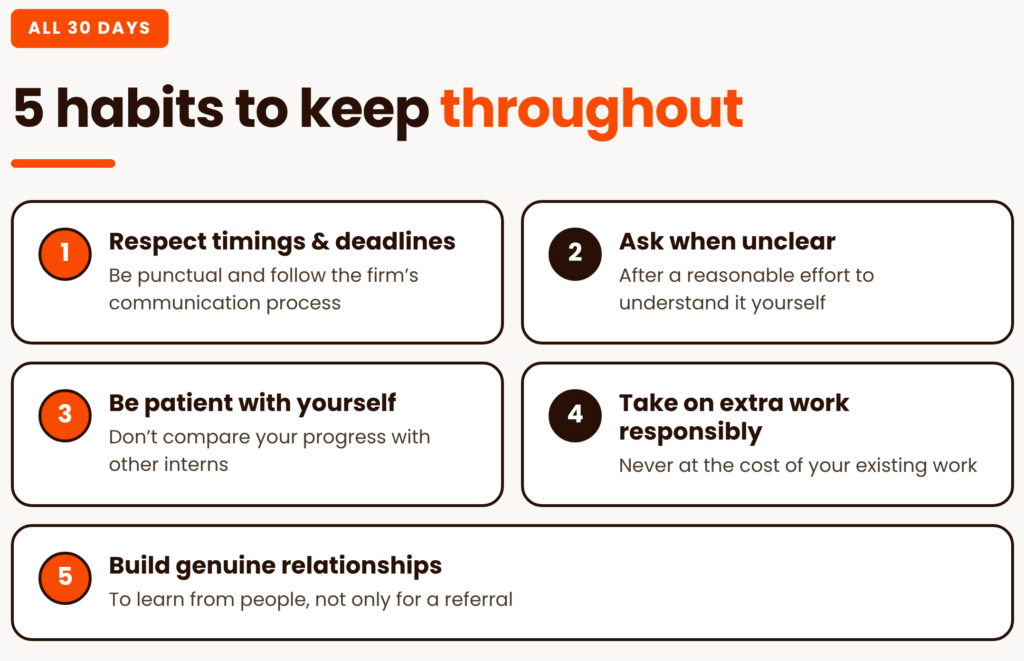
Image 3: 5 habits to maintain throughout a legal internship
While each week has a different focus, certain habits should remain consistent throughout your internship.
1. Respect workplace timings and deadlines.
Be punctual, follow the organisation’s communication procedures and complete assignments within the agreed timelines.
2. Ask questions when you need clarification.
It is better to clarify an instruction than to make avoidable mistakes. Ask relevant questions after making a reasonable effort to understand the assignment yourself.
3. Be patient with your learning process.
Everyone learns at a different pace. Do not compare your progress with that of other interns. Focus on improving the quality of your own work.
4. Take on additional work responsibly.
Being willing to help is a positive quality, but do not accept more assignments than you can complete properly. The quality of your existing work should not suffer.
5. Build genuine professional relationships.
Interact with people because you want to learn from their experience and understand their work, not merely because you are looking for a referral or job opportunity.
Conclusion
At the end of 30 days, you may or may not receive a job offer. Your internship may or may not be extended. Neither outcome alone determines whether the experience was worthwhile.
What matters is whether you leave with stronger legal research and drafting skills, a better understanding of the legal profession, constructive feedback and professional relationships that you can build on.
Your internship certificate records the period you spent working with an organisation. The quality of your work, however, is what people are more likely to remember.
So, the next time you begin a 30-day legal internship, do not simply count the days until you receive your certificate. Focus on making each day count.
About the Author
Simran Sabharwal is a Gold Medallist in Business Laws from RGNUL, Punjab, and a former Associate at Khaitan & Co. She is currently a Learning and Editorial Manager (Corporate Vertical) at Lawctopus Law School, where she teaches corporate law and practical commercial drafting.