
A SaaS agreement governs access to software hosted and maintained by an external provider. Rather than installing it on its own servers, the customer typically accesses it online through a subscription. Examples include CRM systems, accounting platforms, cloud storage and HR software.
The arrangement is convenient, but raises questions about access, service availability, data, intellectual property and exit rights. These seven clauses deserve close attention.
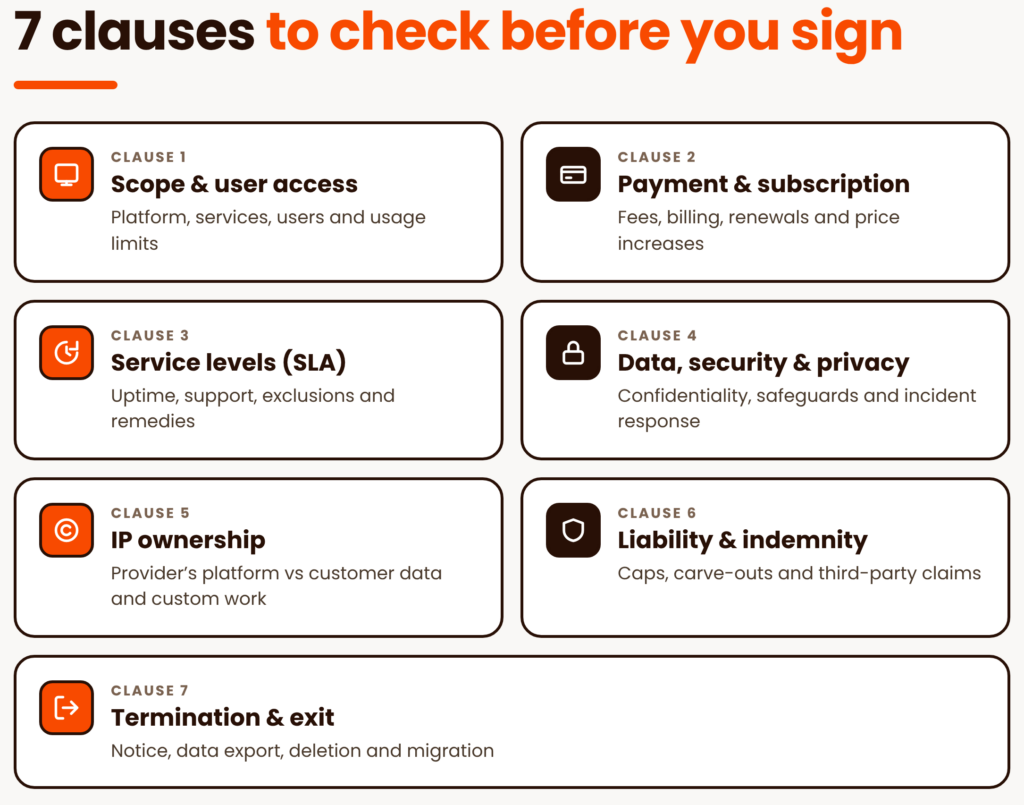
Image 1: 7 key clauses to check in a SaaS agreement before signing
1. Scope of Services and User Access
Check exactly what the provider must supply. The agreement should identify the platform, its functions and included services such as implementation, migration, maintenance, updates, upgrades and technical support.
It should also specify permitted users, devices, locations and usage limits. Can the customer give access to its affiliates, subsidiaries, contractors or other third parties? Are there restrictions on storage, transactions, integrations or API calls? If the provider offers different service tiers, the agreement should identify the features included in the selected plan.
Why it matters: vague service descriptions can lead to disputes over access, functionality, additional charges and whether the provider has delivered what the customer purchased. Attach a service description or order form where the detail is too extensive for the main agreement. Clear drafting also matters when defining obligations; see LLS’s article on interpreting uncertain terms of a contract.
2. Payment Terms and Subscription Fees
SaaS services are commonly billed monthly, quarterly or annually. The agreement should state the subscription fee, billing cycle, payment deadline, applicable taxes and accepted payment methods. It should also explain when and how the provider may increase prices.
Check for automatic renewal, notice periods for opting out, late-payment interest, suspension rights and extra charges for additional users, storage, support or usage. If the customer pays annually in advance, clarify whether any unused fees are refundable if the agreement ends early.
Why it matters: a low initial subscription price may not reflect the total cost over the contract term. The customer should understand the renewal mechanism and the circumstances in which the provider can change the price or charge for usage beyond the agreed limit. These commercial terms are often negotiated; LLS shares practical pointers in 8 Tips for Effective Negotiation of Commercial Contracts.
3. Service Levels and Uptime Commitments
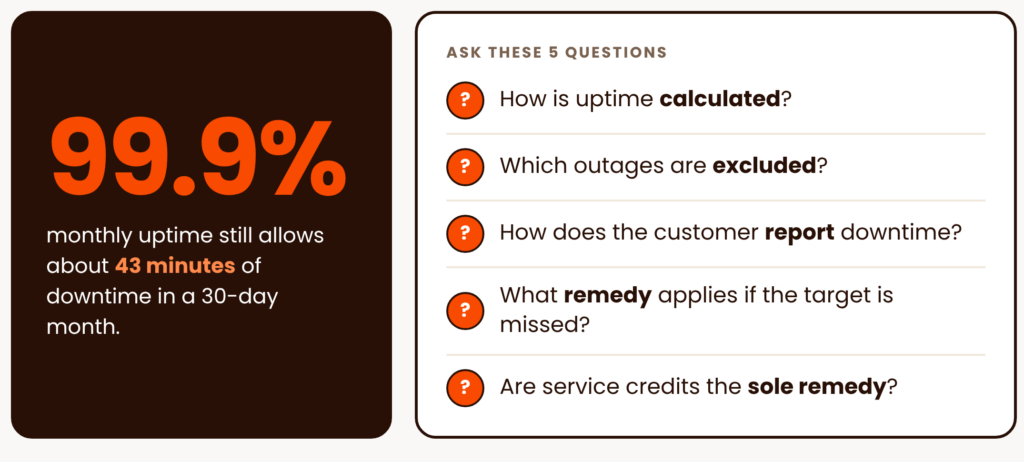
Image 2: SaaS SLA checklist: what to check beyond a 99.9% uptime commitment
A service level agreement (SLA), either within the SaaS agreement or as a schedule, should set measurable service standards. These may include an uptime commitment, planned maintenance windows, support hours, response and resolution targets, and an escalation process for unresolved issues.
Do not stop at a headline uptime figure such as 99.9%. Check how uptime is calculated, which outages are excluded, how the customer reports downtime and what remedy applies if the target is missed. Remedies may include service credits, fee reductions or termination rights for repeated or prolonged failures.
Why it matters: an outage can interrupt sales, payroll, customer support or other essential operations. An SLA is useful only when its metrics, exclusions, reporting process and remedies are clear. Also check whether service credits are the customer’s sole remedy for a service-level failure. It is also worth considering how unexpected events affect contractual performance; see LLS’s guide to the force majeure clause in contracts.
4. Data Security, Confidentiality and Privacy
A SaaS provider may host business records, employee details, customer information and other confidential material. The agreement should distinguish customer data from the provider’s own platform data and explain the purposes for which the provider may access, use or process customer data.
Include obligations on confidentiality, access controls, security safeguards, encryption where appropriate, backups, subcontractors, data location and permitted disclosures. The contract should also require prompt cooperation if there is a suspected or confirmed security incident, including notice, investigation, mitigation and support for legally required notifications.
For personal data, identify the parties’ roles and allocate responsibilities under applicable law. A SaaS provider may act as a data processor, but the role depends on who determines the purpose and means of processing; the contract label alone does not decide it. Consider a separate data processing schedule covering instructions, security, assistance with data-principal requests, subprocessors, retention and deletion. Confidentiality obligations should also be carefully scoped; LLS explains the key provisions in an NDA.
India’s Digital Personal Data Protection Act, 2023 and the Digital Personal Data Protection Rules, 2025 have phased commencement dates. As of 13 November 2026, not all substantive obligations are yet in force; the main provisions and Rules scheduled for the 18-month phase are due from 13 May 2027. Draft for the applicable law and implementation timeline rather than stating that every DPDP obligation already applies.
For the official text, see the Digital Personal Data Protection Act, 2023 and the Digital Personal Data Protection Rules, 2025. The commencement notification is available here.
5. Ownership of Intellectual Property Rights
The provider will generally retain rights in its pre-existing software, source code, platform architecture, trademarks and underlying technology. The customer usually receives a limited right to access and use the service during the subscription term, subject to the agreement.
The contract should separately address customer data, customer materials, configurations, integrations and custom developments. Clarify who owns bespoke work, whether the provider may reuse general improvements, and what licence each party needs to perform the agreement. Also check whether third-party or open-source components are used and whether their licence terms affect the customer.
Why it matters: unclear ownership and licence provisions can create disputes over customer work product, integrations and continued access after termination. Avoid treating all information stored on the platform as the provider’s intellectual property.
6. Limitation of Liability and Indemnity
These clauses allocate financial risk if something goes wrong. A limitation-of-liability clause may cap the amount recoverable or exclude certain categories of loss. Check the cap, how it is calculated, whether it is mutual and whether it applies to all claims or only specified breaches.
Parties often negotiate separate treatment for risks such as fraud, wilful misconduct, confidentiality breaches, data-protection violations and intellectual property infringement. The agreement should say clearly which claims fall inside or outside the cap. An indemnity should identify the covered claims, the party responsible for handling a third-party claim, notice requirements, control of defence and settlement approval.
Why it matters: a very low cap may leave the customer exposed to losses that matter most, while an unlimited or broad indemnity may create disproportionate risk for the provider. There is no one-size-fits-all cap; the allocation should reflect the service, fees, data involved, insurance and bargaining position.
For a closer look at drafting this provision, read LLS’s article How to Draft the Perfect ‘Limitations of Liability’ Clause.
7. Termination, Renewal and Exit Assistance
The agreement should set out when either party can terminate: for material breach, insolvency, prolonged service failure or convenience, if agreed. Specify notice and cure periods, consequences of suspension, and how automatic renewal can be stopped.
Exit provisions matter just as much. State the data retrieval period, export format and fees, and when the provider must return or delete remaining copies. Address backups, legal retention and deletion confirmation. If migration assistance is needed, specify its scope, duration, fees and responsibilities.
Why it matters: customers can become operationally dependent on a SaaS platform. Without a workable exit plan, moving to another provider may be expensive, slow or disruptive.
A SaaS Agreement Should Work Beyond Sign-Up
A SaaS agreement is not just permission to use software. It governs an ongoing business relationship involving service delivery, subscription payments, data, intellectual property and allocation of risk. Review the agreement from onboarding through renewal and eventual exit, not only from the date of signing.
For legal professionals who want to build practical contract-drafting skills, Lawctopus Law School’s 1-Year Advanced Contract Drafting and Freelancing course includes SaaS agreements, privacy policies and other technology-related contracts in its curriculum. Check the course page for current programme details.
References
- Digital Personal Data Protection Act, 2023: India Code.
- Digital Personal Data Protection Rules, 2025: MeitY Gazette notification.
- DPDP Act commencement schedule: MeitY notification G.S.R. 843(E).
About the Author
Simran Sabharwal is a Gold Medallist in Business Laws from RGNUL, Punjab, and a former Associate at Khaitan & Co. She is currently a Learning and Editorial Manager (Corporate Vertical) at Lawctopus Law School, where she teaches corporate law and practical commercial drafting.