
Although the AIBE syllabus may appear lengthy to beginners, thirty days can be sufficient to prepare if broken into smaller parts. Nineteen subjects along with several Bare Acts, case laws and numerous provisions can be overwhelming. But prepare with a focus on priority, quick revision and spotting and applying the law without the need for extensive knowledge of all details about the law.
The latest AIBE syllabus includes 19 subjects and 100 questions. So, with only thirty days to prepare, you have to focus on the most important subjects and the most important topics.

Image generated by Saloni Sahu, Partnership Manager, Lawctopus Law School
Know what thirty days should look like.
Divide your total preparation time into four parts.
First part: Days 1 to 18: Focus on the important subjects
Second part: Days 19 to 24: Ensure all subjects are covered + revision
Third part: Days 25 to 27: Mock tests + revision based on performance
Fourth part: Days 28 to 30: Final revision.
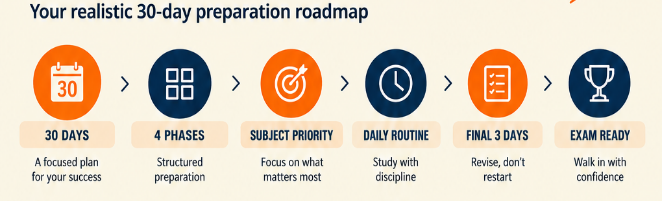
Image 1: 30-day preparation roadmap for AIBE
Days 1-18: Start with subjects that carry the maximum weightage
Start with subjects that provide maximum marks for the effort you put in.
A practical order to follow would be:
Days 1-2: Learn about Constitutional Law
Learn Fundamental Rights, Directive Principle of State Policies, Constitutional remedies-Writs, Parliament, Judiciary, Emergency provisions, Landmark principles and many more.
Days 3-4: Learn about Criminal Procedure
Learn the important provisions of CrPC and matching provisions of BNSS. Focus on aspects like arrest, bail, inquiry, trial, cognizance, jurisdiction and important procedural concepts.
Days 5-6: Learn about CPC
Learn important points like jurisdiction, res judicata, res sub judice, pleadings, plaint, written statement, injunctions, appeals, review and execution.
Days 7-8: Learn about IPC/BNS
Learn concepts related to general principles of criminal liability, common intention, abetment, offences against human body and property, general exceptions and definitions.
Days 9-10: Learn Evidence/BSA
Learn topics related to relevance, admission, confession, burden of proof, presumption, dying declaration and documentary evidence.
Days 11-12: Learn Family Law + Contract
Learn first about marriage, divorce, maintenance and adoption and then move to the essentials of contract formation.
Days 13-14: Learn about Property + Specific Relief + Negotiable Instruments
Take care to cover important topics and statutory provisions when covering these
Days 15–18: Arbitration and Dispute Resolution, Public Interest Litigation, Legal Ethics, Labor Law, Torts, and Taxation
These subjects should not be dismissed just because they have fewer questions. They can provide a means to score high if prepared selectively.
According to the AIBE official syllabus, ADR, PIL, Legal Ethics, Labor Law, and Taxation are assigned four questions each, whereas Torts, which includes Motor Vehicles and Consumer Protection Law, is assigned five questions.
Days 19–24: Finish the Lesser Weightage Subjects
At this point, it is time to tackle the remaining subjects, including Administrative Law, Corporate Law, Environmental Law, Cyber Law, Land Acquisition, and Intellectual Property Laws.
Don’t spend a whole day on a two-question subject. Instead, you should take a short approach by following this approach: Study, solve questions, identify weak areas, reviseRevise.
For example, give yourself a few hours to understand the basic concepts and provisions of Cyber Law or Environmental Law, try and attempt previous years’ questions, and move on.
At this stage of your preparation, your objective should not be to achieve excellence. It should be to adequately cover content from across the syllabus.
Learn Reading a Bare Act
Always keep the relevant bBare Aact close when studying. Familiarise yourself with how the legislation is structured, crucial definitions, commonly used provisions, and where specific concepts can be found. This is crucial for procedural and statutory subjects.
Instead of poring over 50 pages of notes, and attempting to remember them all, ask yourself: “If I had to answer a question, where would I find the answer?”
This small change can help make your revisions much more effective.
Days 25-27: Stop reading. Start testing.
At this point you should shift your focus from consuming content to performing. Make sure you attempt at least one full mock exam every day.
After every mock, do not just check your score; rather, divide your analysis of mistakes into the following 3 categories:
1. I did not know the concept.
Revisit the relevant provision or concept.
2. I knew it but am confused.
Add it to your cheat sheet.
3. I knew the answer but made a mistake due to carelessness.
Work on your reading and solving discipline.
This analysis is more useful than simply attempting another mock.
Days 28-30: Final Revision
The last three days are not the best time to start reading a new book, picking up an entirely new set of notes, or watching a 10-hour-long video lecture series. At this stage, your focus should shift from learning new material to strengthening what you have already studied.
Use these final days to revise the key provisions of the Bare Acts, frequently confused concepts, important case laws and legal principles, important definitions, procedural provisions, and the mistakes you made while attempting mock tests. You should also revisit your short notes and the provisions you have already marked for quick reference.
Keep your final revision material concise. If you have created five notebooks, downloaded 17 PDFs, or saved 200 posts on Instagram during your preparation, this is the point where you should stop collecting more material. More resources at the last minute can create confusion rather than improve your preparation. Stick to the material you have already studied and are familiar with.
If you work or study in college, even 2-4 hours will work, as long as you study with focus regularly. The number of hours doesn’t mean as much as the intensity of the study.
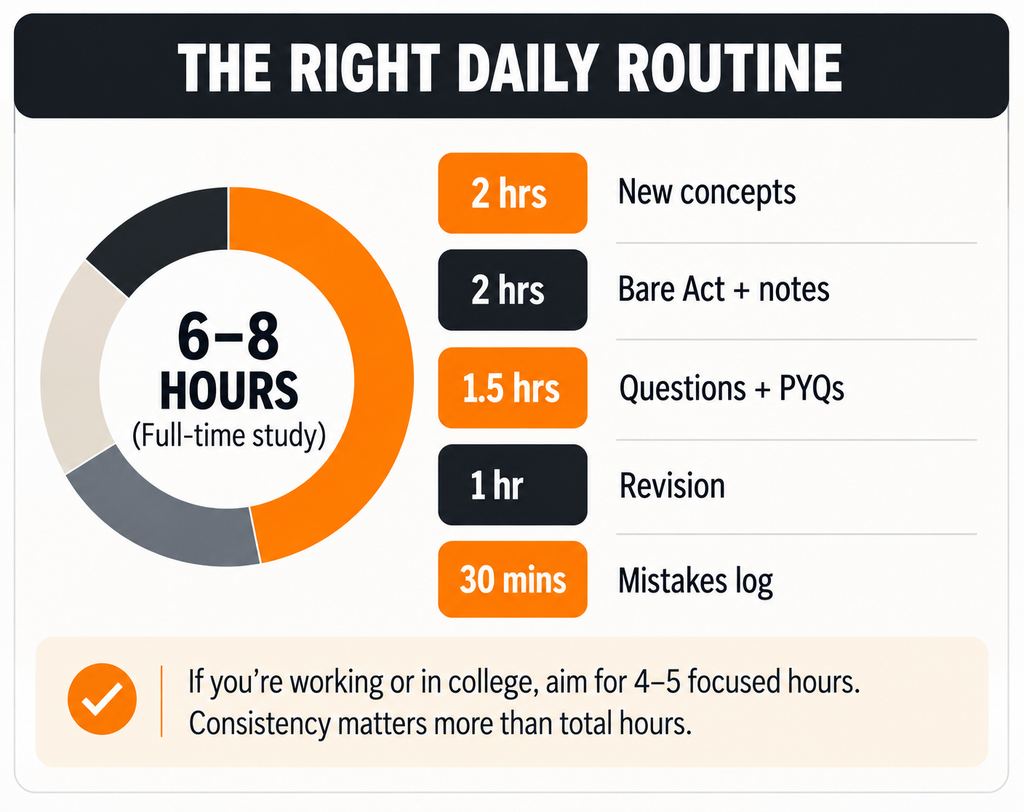
Image 2: AIBE in 30 Days- The Right Daily Study Routine
The biggest mistake to be avoided
Do not try to “complete the syllabus” by reading everything from cover to cover.
Rather:
1. Study the subjects with maximum weightage thoroughly.
2. Take care of the minor subjects with a plan.
3. Make use of the Bare Acts consistently.
4. Solve questions on a daily basis.
5. Revise the errors regularly.
What you need to do is to know how to study, how to skip, how to revise and how to access law when needed.
That becomes much easier when your preparation has a clear structure. If you are looking for guided preparation for AIBE exam, Lawctopus Law School’s All India Bar Exam Crash Course brings together expert-led session recordings, simplified reading modules and 5 full-length mocks in a self-paced format.
Have questions about the course or want to understand whether it fits your preparation? Talk to a course counsellor at +91 93596 84056 or write to courses@lawctopus.com.
About the Author
Ms. Mansi Mankotia holds a B.A. LL.B. and LL.M. from HPNLU, Shimla. She secured AIR 906 in CLAT PG 2020 and is currently a Senior Learning Manager at Lawctopus Law School.