
Imagine you are in a classroom where the professor is speaking heavy jargons or explaining some concepts which everyone in the class understands except you. Sounds familiar, right? This is a very common problem faced by all of us. We feel that we will sort it out after the class or watch some youtube videos before exams.
However, time passes and one lecture turns into another and then it piles up. Suddenly, we receive the semester date sheet and we are clueless about our preparation.
Law schools can be hectic. You have to memorise several sections, read a plethora of case laws and also be active in co-curricular activities. Listen, you do not need to pull longer study sessions. You need to study smarter.

Image created by Saloni Sahu, Partnership Manager, Lawctopus Law School
These are some smart study techniques that can help you score more while spending less time:
1. Prepare Mnemonics for Lists
There are so many lists in law like offence elements, essentials of a contract, grounds for remedies. Rereading or mugging up isn’t always enough. Mnemonics really help. Basically, you take the first letter of each item in a list and turn it into a word or a phrase. It can be a silly one or weird or funny, whichever stick in your mind better. You can even frame a story around the mnemonic. Whatever works to help you remember.
How can you use them?
- Firstly, look for a list that is tough to remember.
- Write the first letter of each point.
- Arrange all the words together and make up a word or a sentence.
- Keep revising that word.
Remember, that mnemonics are a shortcut. They help you prepare a structure for your answer. You would still need to understand what each point really means.
2. Turn Messy Topics into Simple Flowcharts
Some legal concepts are extremely difficult to understand yet very important. Concepts like procedure, when certain rules become applicable or section number are super overwhelming. Learners, instead of reading or mugging up those paragraphs, prepare a flowchart. Simply, break each step down into blocks, add arrows, what happens if the response is yes or no. You can make a flowchart in this way:
- What comes first? Then what? Any conditions? What if a condition is not met?
- Add everything with arrows or boxes.
- You will have a flowchart of the entire topic which is easier to revise.
Your flowchart can look like this:
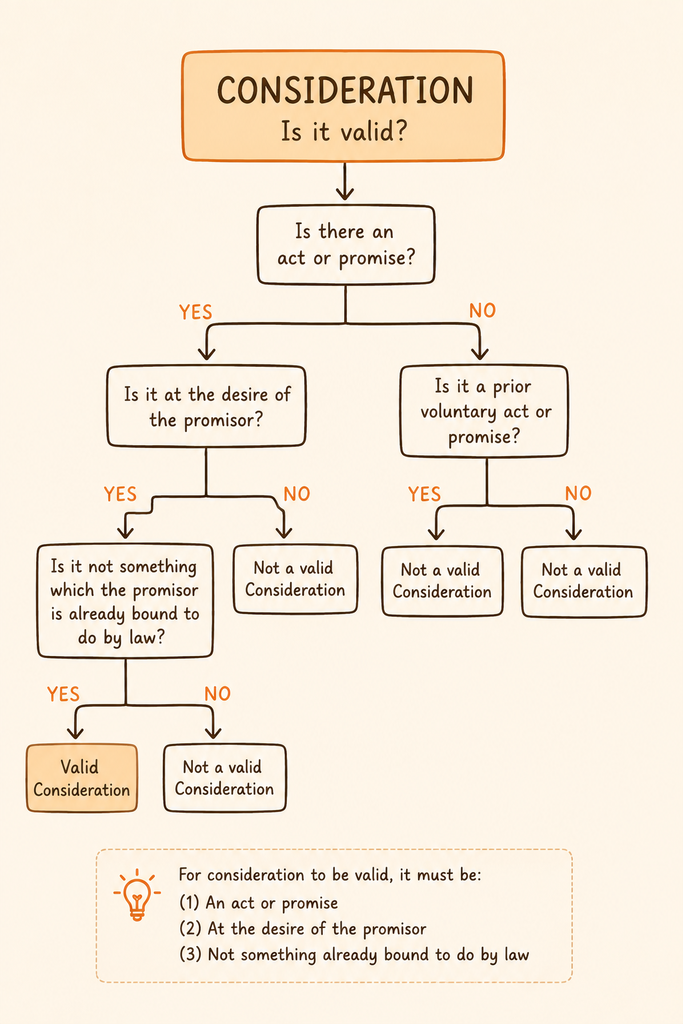
Image 1: Sample flowchart to memorize concepts
3. Explain Stuff in Your Own Words
One mistake that almost every law student makes is believing that they have understood the entire concept but forgetting everything during the exam. To counter such an issue, please try explaining that concept to someone who knows nothing about law. Simply, you have to explain that concept in a way that even a layman understands. For this, you can ask yourself the following questions:
- What is the law actually trying to say?
- Why does such a rule exist?
- When will it become applicable?
- What will happen if someone breaches it?
If you get stuck while explaining the concept, it is time to revisit your notes. This is a good way to catch whether you have actually understood the concept.
4. Use Case Briefs, Don’t Memorize Whole Cases
There are several case laws that you need to remember before any examination, right? But you are not required to remember everything about the case word to word. Make your own simple brief notes with the following headings:
- Facts: simple background story of what happened.
- Issue: What exact question did the court dealt with?
- Decision: What was the court decision?
- Reasoning: What was the rationale behind the judgment?
If you follow this, you understand the point of the case without drowning in details. It makes things easy to revise later.
5. Break Up Your Study Time
We all know that our retention power is extremely low. Thanks to instagram reels. So, learners it is difficult to grind non stop for 8 hours straight. Therefore, you need to break your study time into manageable blocks. Try 45-60 minutes of focus, then take short breaks. Also, make each session about a specific topic. Follow piecemeal concept, basically instead of “Study Contract Law” (way too broad), go for:
- Understanding the essentials of a valid contract – 45 mins
- Prepare key case laws on the topic – 45 mins
- Prepare a flowchart – 45 mins
Specific tasks are easier to start. Also, take a few minutes to revise in the end. You can achieve good grades only after learning with focus, instead of just clocking time at your desk.
6. Make One-Page Revision Sheets
You have received the date sheet and exams start from next week. You have all the books, study material, youtube videos, printouts, batchmates’ notes. And, now you are confused. This is when your one-page summary sheets really help. Once you finish a major topic, write all the key topics onto one sheet which can include:
- Definitions
- Principles
- Sections
- Landmark cases
- Exceptions
The point is not to rewrite your own notes but to prepare a quick one page summary for revision at the last minute. These sheets are gold.
The point isn’t to rewrite your notes, but to make a quick map for revision. During exam time, these sheets are gold.
Therefore, please don’t wait till the last minute. Pick one topic and start preparing for it by following the above steps. Smart studying isn’t about fancy techniques or perfect notes. It’s about making law easier for yourself to understand and remember. No one expects you to get it all in one go.
As a law student, the above-mentioned tips will surely help you boost your learning in law school.
But are you not sure which practical skills to learn, what employers actually look for, or how to become internship and job-ready? You don’t have to figure it all out alone.
Talk to our counsellors and get personalised guidance on what you should learn and where to start. Call us at +91 93596 84056 for a free counselling call or write to us at courses@lawctopus.com for a personalised career advice
About the Author
Simran Sabharwal is a Gold Medallist in Business Laws from RGNUL, Punjab, and a former Associate at Khaitan & Co. She is currently a Learning and Editorial Manager (Corporate Vertical) at Lawctopus Law School, where she teaches corporate law and practical commercial drafting.